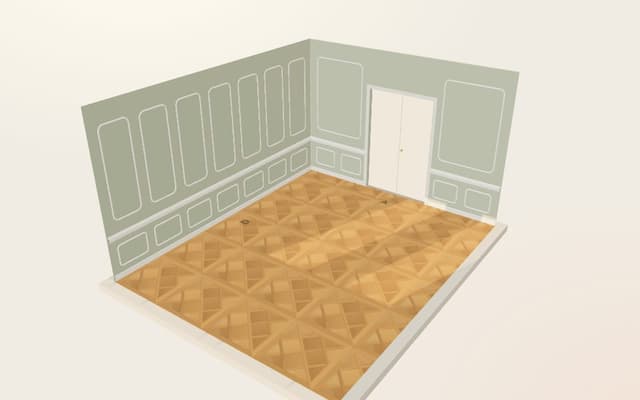
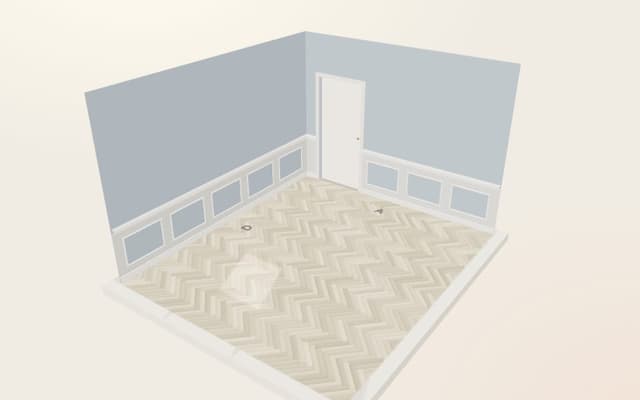
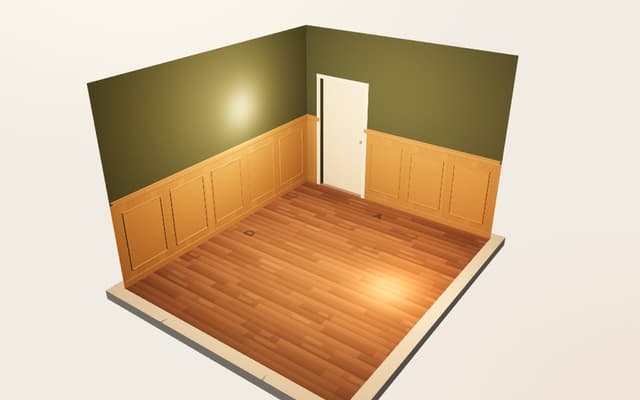
Design my room in 3DMy room in 3D

Classical mouldings

Decorative wood mouldings: profiles, ornament and period styles

A decorative moulding is only a line of wood, yet it changes a room: it draws frames, marks a height and catches the light. The skill lies in choosing the right profile and ornament for the style of the house. Here are the essentials of the classical vocabulary, from the ovolo to the egg-and-dart, the French period styles from Louis XIV to the Second Empire, and the solid wood mouldings we make near Toulouse.

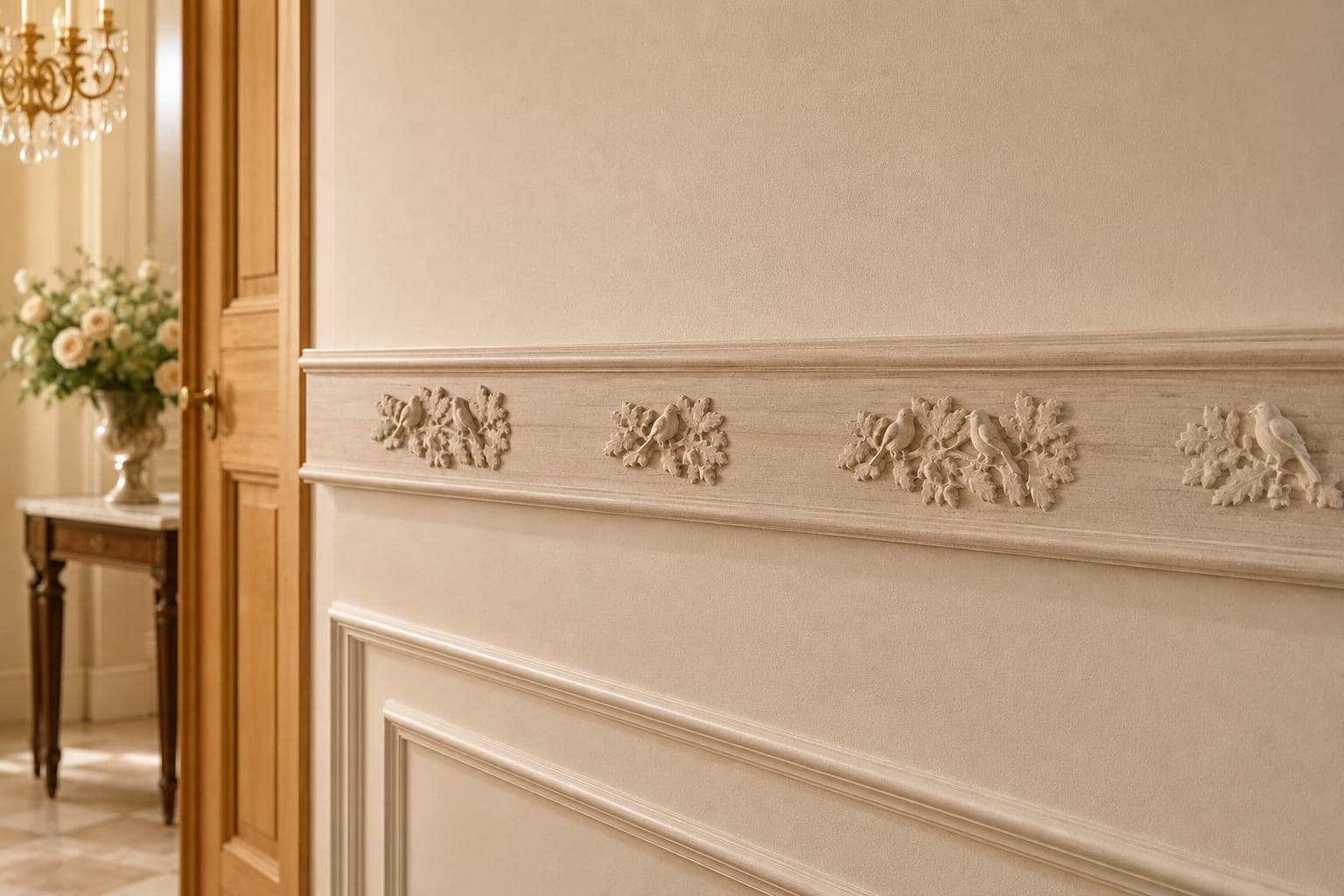
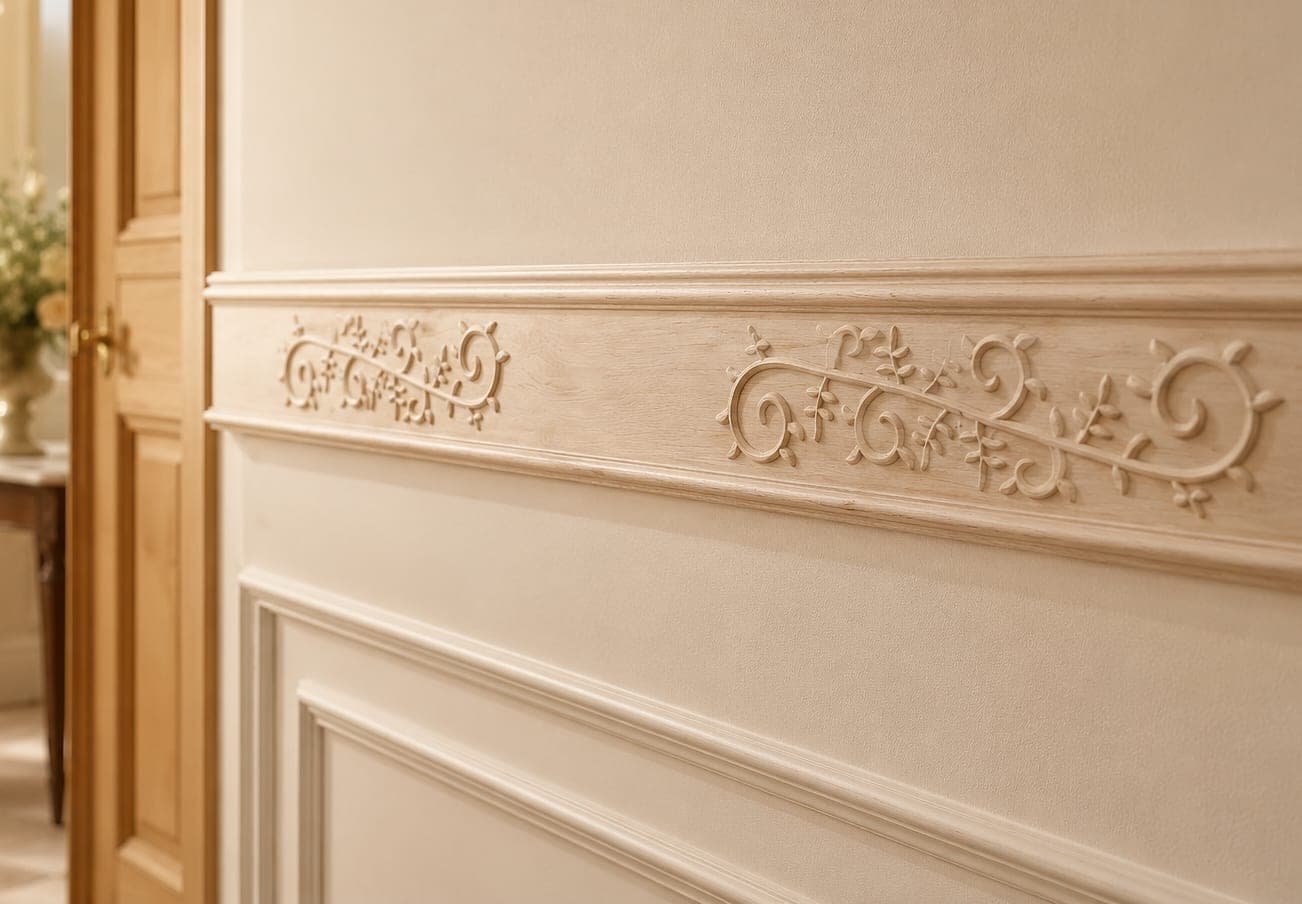
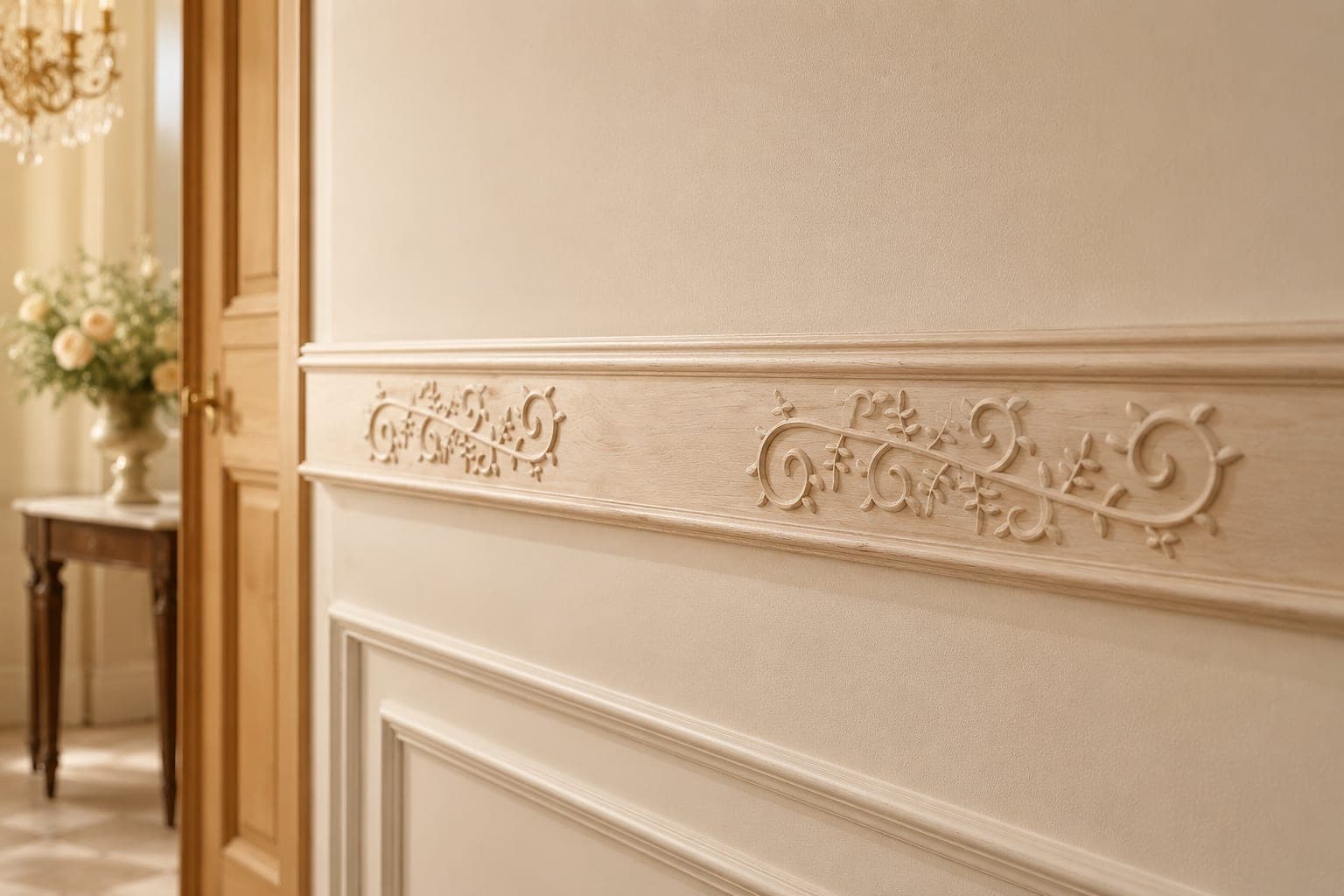
Spiral Dado Rail in solid wood: scrolling foliage carved in relief along a pale rail, above moulded wall panelling

What is a decorative wood moulding?

A decorative moulding is a strip of wood whose profile, the shape of its cross-section, stays the same along its whole length. It has two jobs: covering a joint where a wall meets a ceiling, a floor or a door frame, and drawing lines of light and shadow that give a flat surface relief. In joinery, a moulding is either applied to the work or cut into the solid timber.

In classical wall panelling, mouldings organise everything. Dado panelling stops at chair height, finished by a skirting at the bottom and a dado rail at the top; full-height panelling rises to the ceiling. The decorative wood panels themselves are framed by mouldings. British houses follow the same logic, from skirting board to dado rail, picture rail and cornice, and learning to read these lines is the first step towards choosing your own.

Reading a profile: ovolo, cyma recta, cyma reversa

A moulding is identified by its profile, the outline of its section. The simple shapes come first: the torus, a large half-round, and the bead or astragal, its smaller sibling; the ovolo, a convex quarter-round, and the cavetto, its concave opposite. Thin flat bands called fillets separate and crown the larger members, giving each one a crisp line of shadow.

Then come the S-shaped profiles. The cyma recta is concave above and convex below; the cyma reversa does the reverse. Both are S-curves of the kind English builders call ogees. A classical cornice or panel frame usually stacks several profiles, such as a fillet, a cyma and a bead, and the line gains depth. To reproduce an existing moulding, it is this exact sequence that has to be recorded.

Egg-and-dart, beads and Greek key: carved mouldings

A moulding can stay plain or carry an ornament repeated along its length, and each ornament has its favourite profile. Egg-and-dart, egg shapes alternating with pointed darts, is carved on an ovolo; beads, small round grains, on an astragal; leaf-and-dart, the French rais-de-cœur, on a cyma reversa; water leaves or acanthus on a cyma recta.

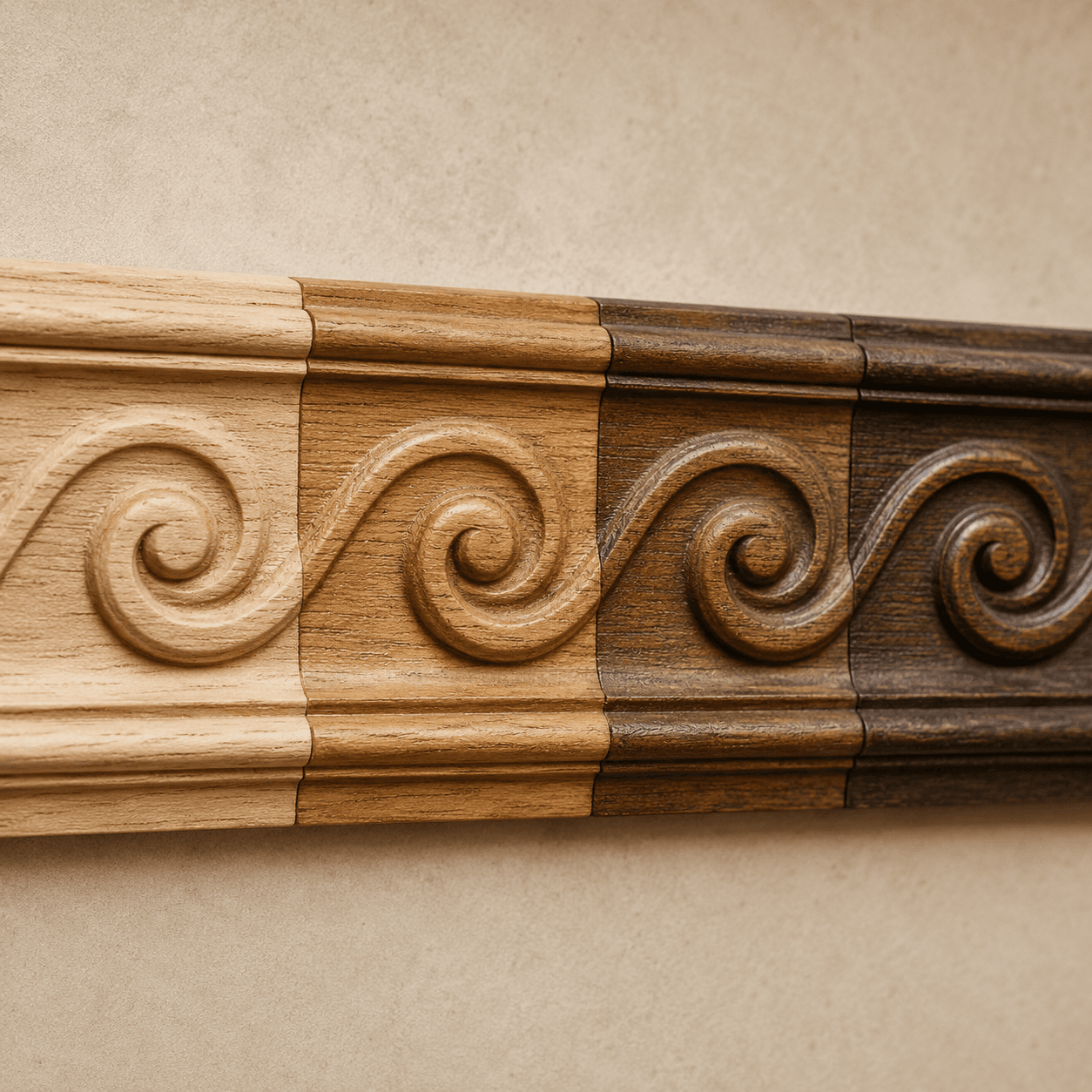
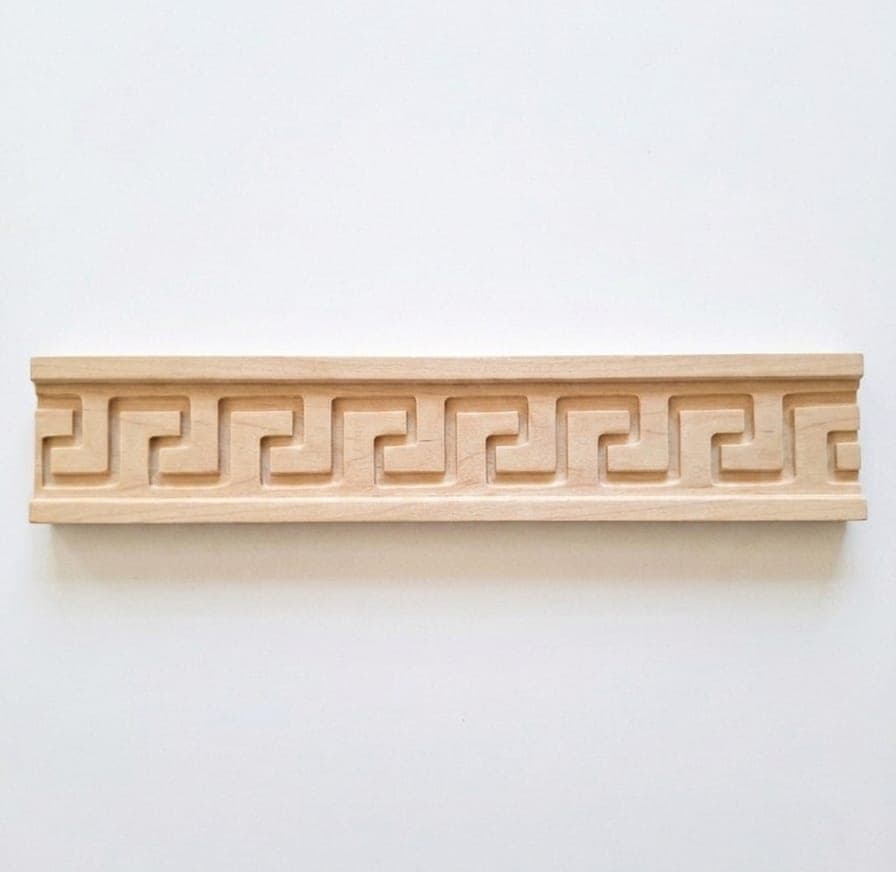
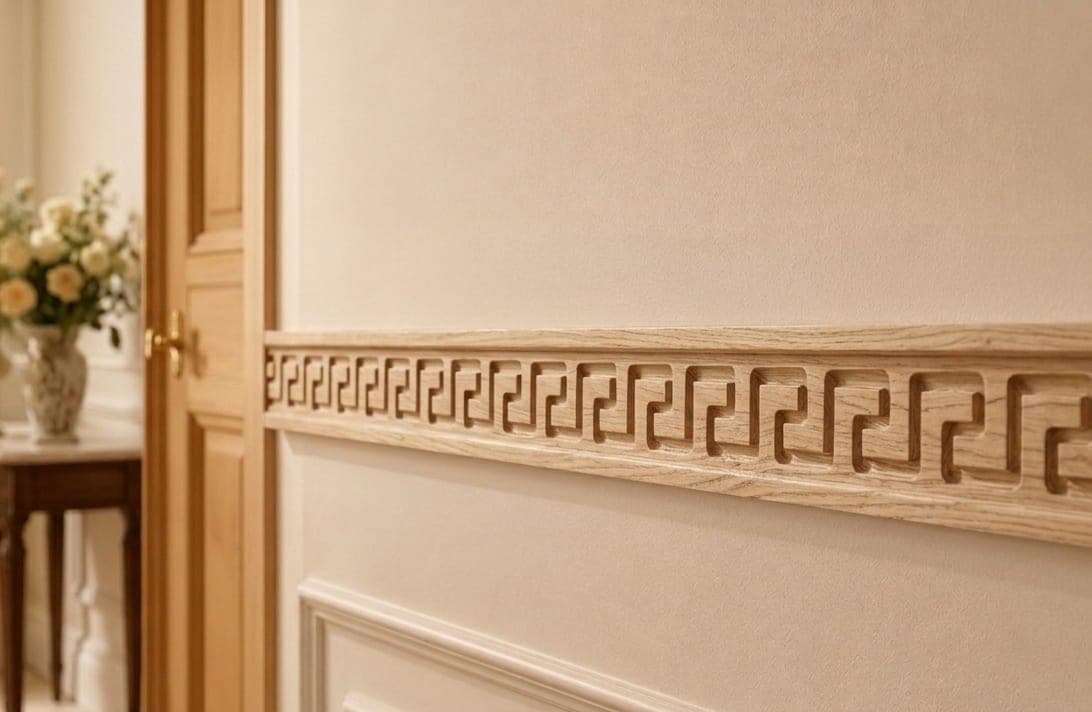
Other motifs run as friezes. The Greek key, a line that turns back on itself at right angles, comes from Antiquity and made a strong return in the late eighteenth century; the Vitruvian scroll, or running dog, plays on curves that recall breaking waves. Our Greek Key Dado Rail belongs to the first family, and our Spiral Dado Rail, with its spiralling foliage, to the second.

From Louis XIV to the Second Empire: which moulding for which style?

Under Louis XIV, decoration aimed at majesty: symmetry, strongly marked frames, triumphant acanthus. The French Régence, from 1715 to 1723 and not to be confused with the British Regency almost a century later, softened lines and curved the panelling. Under Louis XV, with the rocaille, mouldings follow curves and counter-curves, and ornament draws on water, shells and plants. For a drawing room in this spirit, choose shaped frames and asymmetrical ornament.

Around 1760, taste turned back to Antiquity. The Louis XVI style, the French counterpart of Britain's Adam style, straightened lines and lined up beads, water leaves, ribbons and rosettes; the Empire style pushed rectilinear rigour further, with palmettes and laurels. Under the Second Empire, the years of Haussmann's Paris and of the mid-Victorian era in Britain, eclecticism mixed Louis XIV, XV and XVI, and neo-Louis XVI was in fashion. Straight period mouldings, beaded or with water leaves, therefore suit a Haussmann-era apartment.

Decorative mouldings on a wall: how to choose

On a wall, mouldings are first a way of composing. Repeated rectangular frames, what British decorators call panel moulding, suggest classical panelling without a full wall of it; a line at chair height separates two colours and protects the plaster, which is the role of the dado rail. Draw the frames to scale on the wall before ordering: proportions and spacing do all the work.

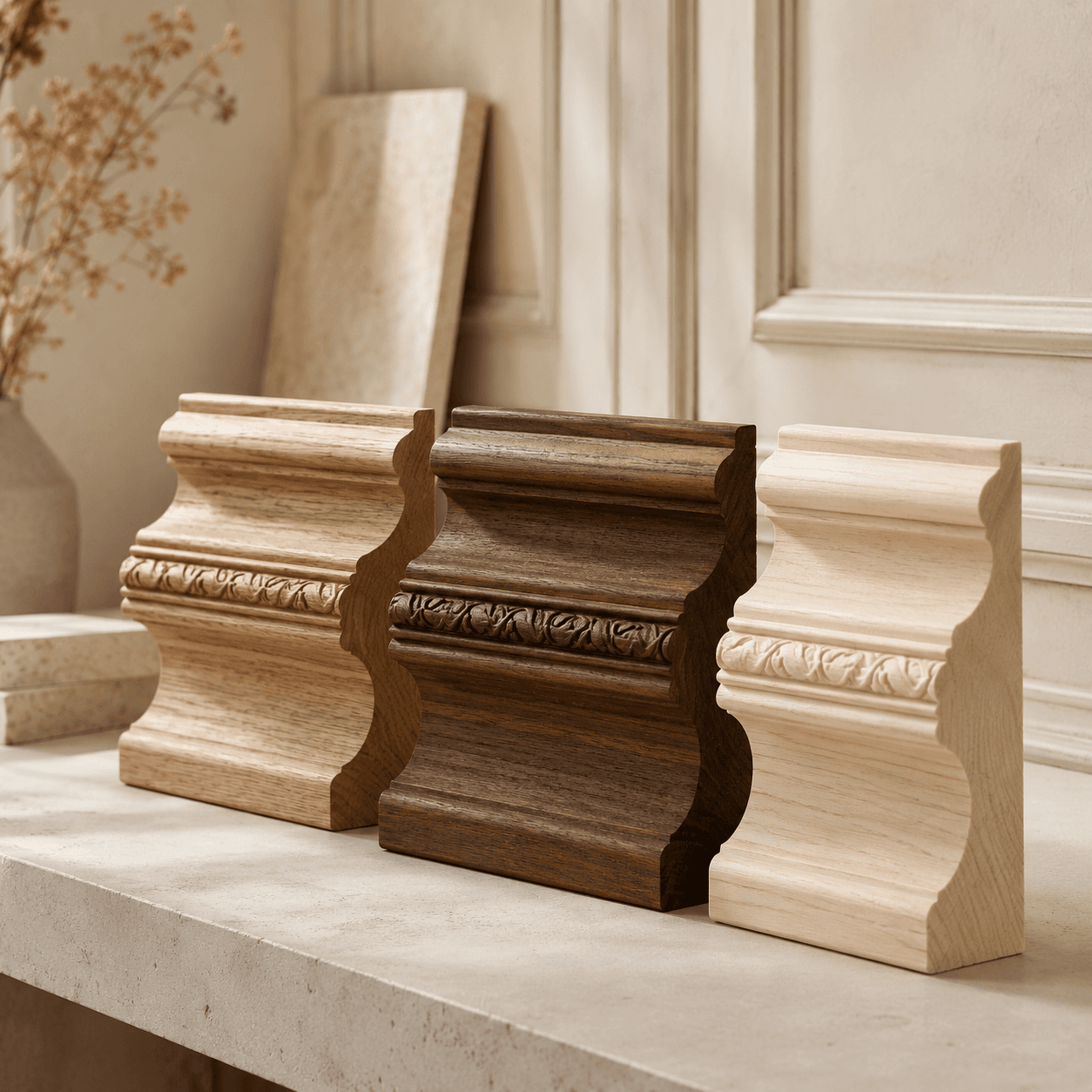
Choose the wood for the finish. For a painted moulding, poplar, pale and even, is a sensible option to test; for wood left on show, oak and walnut reveal their grain. A trial on the actual profile, with the intended finish, remains essential, and our article on which wood for decorative mouldings goes into detail. Fitting is done by your joiner, or by yourself for a simple dado rail, and we send the information needed.

Our solid wood mouldings, from catalogue to bespoke

Our mouldings are designed in 3D and made in our workshop in Cornebarrieu, near Toulouse, then given their finishing and final detail work by hand. The workshop draws on a family tradition in timber, from sawmill to forest, that goes back to 1857. To adapt a carved moulding to your project, the Customisable Dado Rail lets you choose the wood, the finish and the length.

Is a period moulding missing over a few metres, or was a length damaged during building work? We make the new piece to match from a fragment, a survey or clear photographs: that is our antique boiserie reproduction service. We do not restore original material, which a partner restorer can take on, and fitting remains with your joiner. We deliver across France; for the UK and other countries, delivery is studied case by case.

Frequently asked questions

Is it spelled moulding or molding?

Both spellings are correct and name exactly the same thing. Moulding is the British form, also used in Australia; American English simply drops the u. Either way, the word means a strip of wood, plaster, stone or resin shaped to a continuous profile, used to cover a joint or to decorate a surface. This guide keeps the British spelling throughout.

What is decorative moulding called?

It depends on where it sits. Along the floor it is a skirting board; at chair height, a dado rail; higher up, a picture rail; where wall meets ceiling, a cornice, or coving when it is a plain curve. Around doors and windows it becomes an architrave. Mouldings applied in rectangles on a wall are panel mouldings, a carved horizontal band is a frieze, and Americans simply call most of it trim.

What is egg-and-dart moulding?

It is a classical ornament carved on an ovolo, the convex quarter-round profile: egg shapes alternate with pointed, V-shaped darts along the whole length. Ancient Greek builders used it on Ionic capitals, as on the Erechtheion in Athens; the Romans took it up, and it has adorned classical buildings ever since. It is also called egg-and-tongue or egg-and-anchor, and it suits Neoclassical rooms particularly well.

What is the best wood for painted mouldings?

Poplar is the logical first choice to test: pale, light, even and easy to work, it gives a smooth, uniform surface under opaque paint. Pine and fir can also work if the pieces are selected with few knots, and any knots should be sealed so that resin does not bleed through. Oak and sweet chestnut contain tannins and need a stain-blocking primer. Whatever the wood, try the intended primer and paint on a sample first.

What is the best type of beading for wall panelling?

The one that suits the room rather than the catalogue. A simple ovolo, bead or small cyma profile works in most period rooms, and its depth can grow with the size of the frames and the height of the ceiling. Solid wood keeps crisp edges and can be sanded and repainted over the years. Before ordering the full run, fix a short length to the wall, paint it and judge it from across the room.

You may also like

Ready to ship
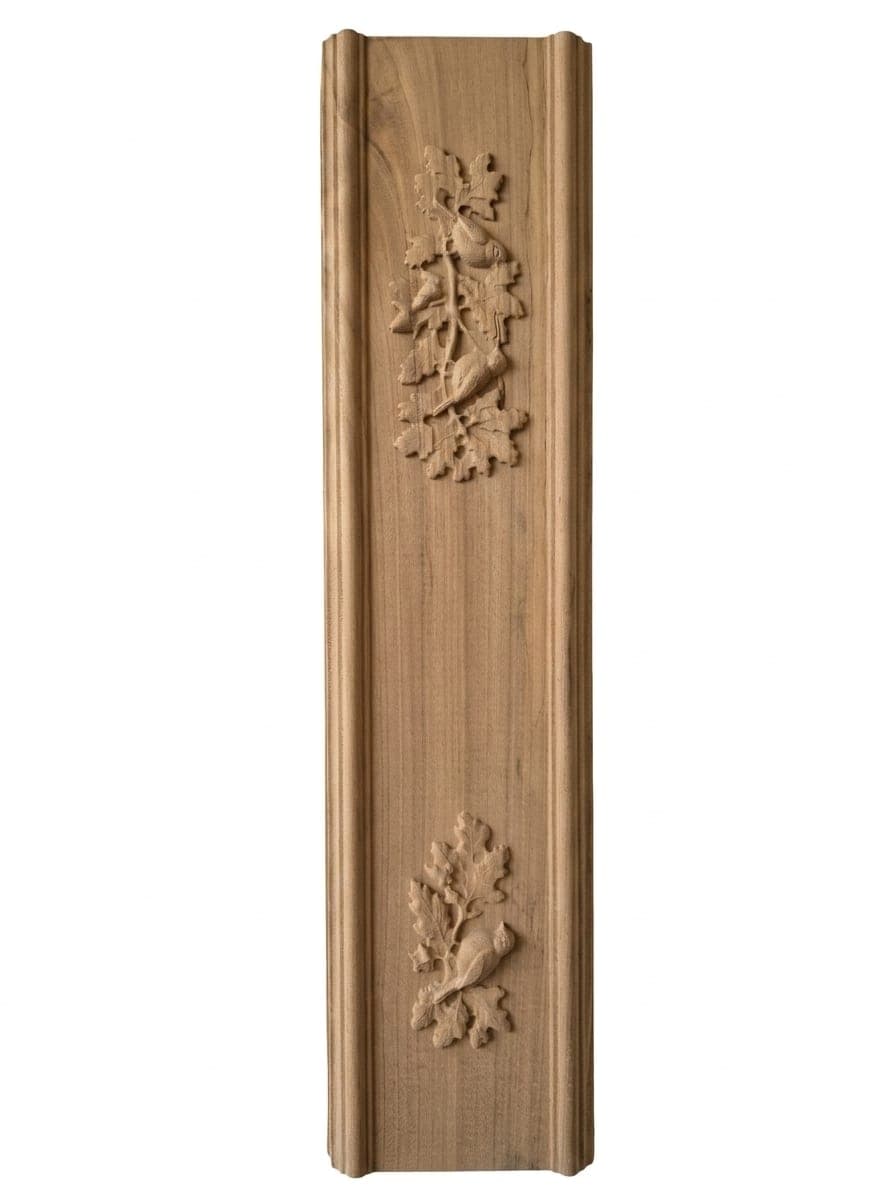
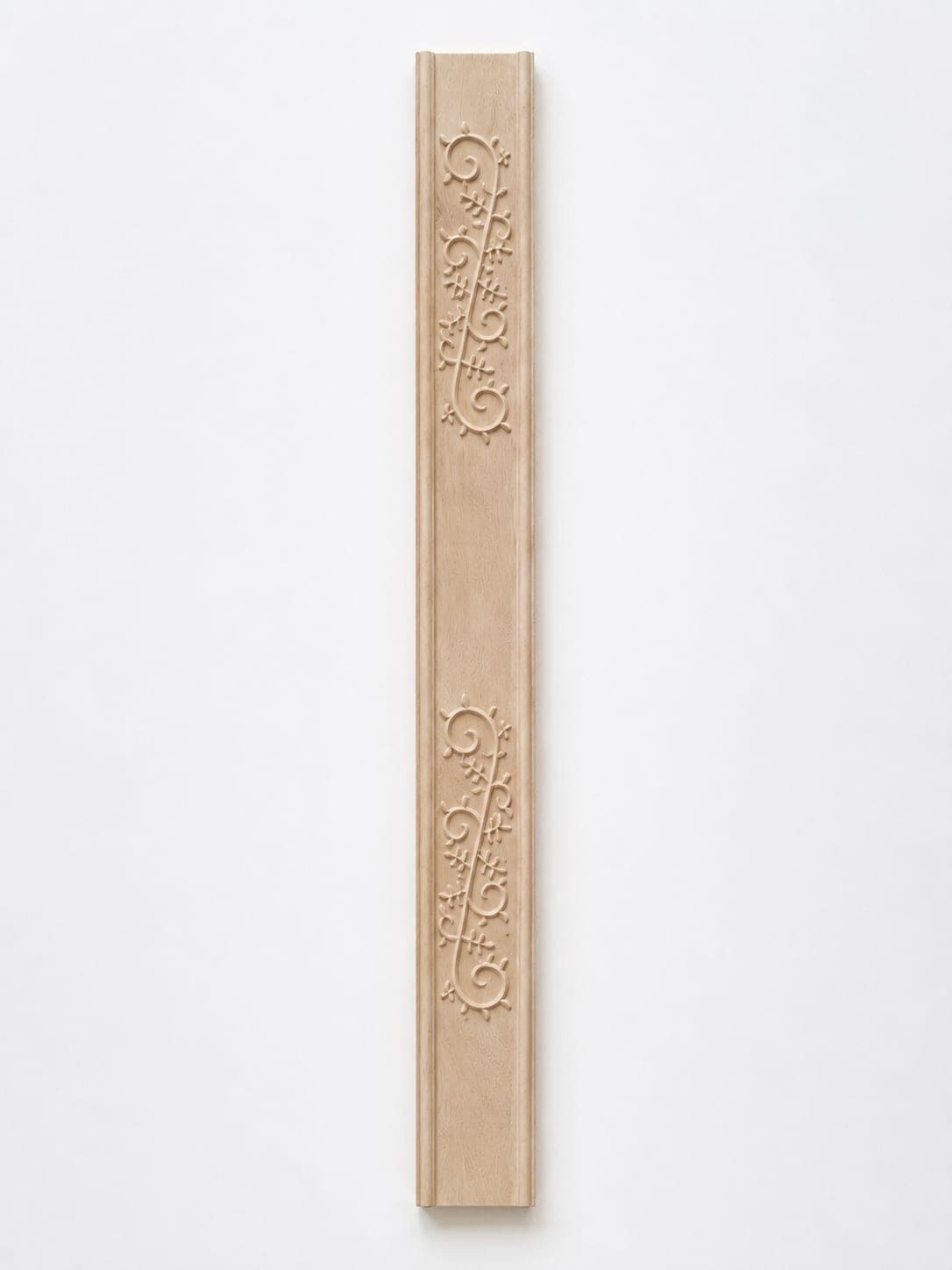
Spiral Dado Rail carved with leafy scrolls, shown in a room setting above cream moulded wall panellingSpiral dado rail in poplar, full length on a white background

Dado Rails & Friezes

Spiral Dado Rail

Bring a touch of timeless elegance to your interior with this carved wood dado rail and its delicate spiralling foliage. Inspired by classical decoration, it enhances wall boiseries, trims dado panelling or sets off a door, a piece of furniture or a fireplace. Its finely detailed relief creates a play of light and shadow that instantly enriches your decor. Easy to work into a classic, Haussmann-era or contemporary interior, this decorative moulding is ideal for creating high-end boiserie with authentic charm.

100 × 11.6 cm · Poplar

€49.50

View
Classical mouldings

A particular profile in mind?

Send a photo, a measured section or a fragment: the workshop will tell you what it needs to draw or reproduce your moulding.

Describe my project