Boiseries: a French history, between tradition and modernity
By Rédaction · 11 June 2026 · 2 min read
Reinventing the art of boiserie: from heritage to today’s interiors
From the Middle Ages to the workshops of Versailles
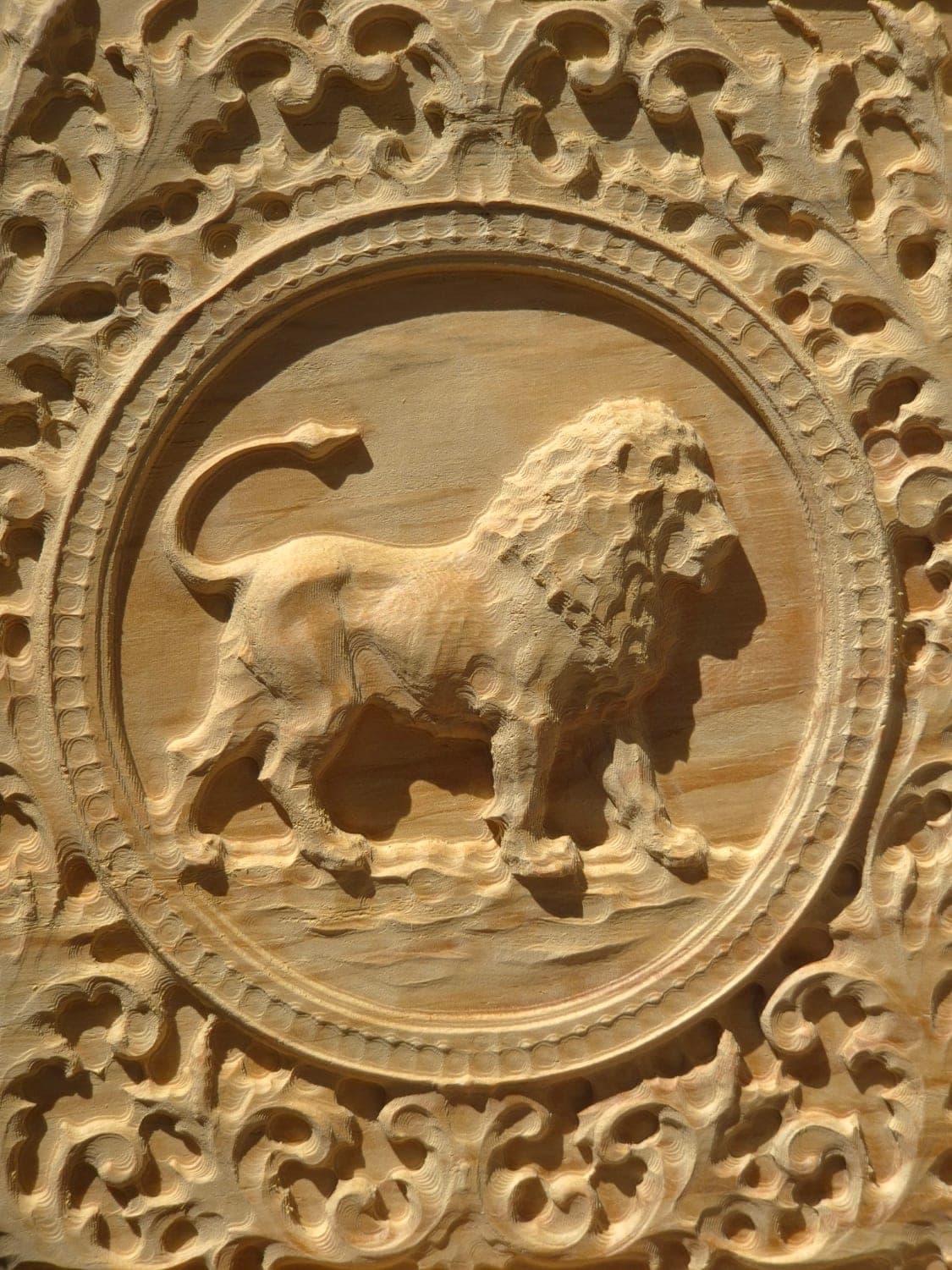
Boiserie (carved wood panelling) is the expression of a culture, a tradition and a body of know-how that have endured through the centuries. In France its history began in the Middle Ages, when joiners lined the walls of castles and manor houses with protective panelling, as useful against damp as against the cold.
But it was from the 17th century onwards that boiserie became an art in its own right, carried by the splendour of Louis XIV’s reign and the workshops of Versailles. Under the direction of Charles Le Brun, decorative joinery reached new heights of sophistication. Boiseries were adorned with carved wood mouldings, ornate cornices and carved door pediments.
This decorative grammar, inherited from the architecture of antiquity, would become the vocabulary of many great French styles to come.
From the Régence style to neoclassicism
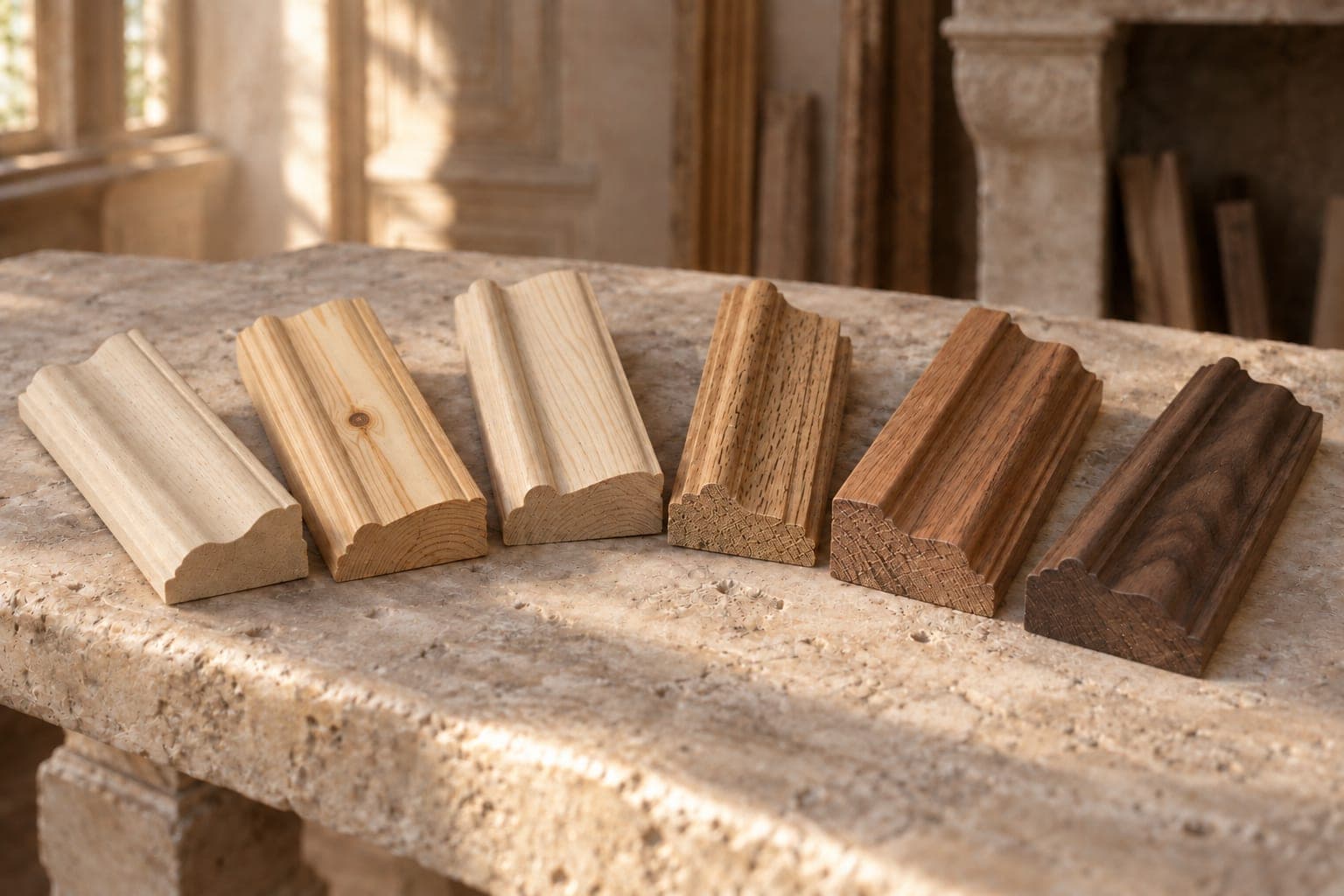
The 18th century saw an extraordinary diversity of styles flourish. Rocaille mouldings, all curves and asymmetrical foliage, stood in contrast to the rigour of the neoclassical Louis XVI boiserie, which returned to straight lines, fine fluting and friezes in the antique manner. Dado rails, ogee architraves and astragals bear witness to this technical mastery, in which every profile has its own name, rule and meaning.
Boiseries in the Haussmann-era apartment
The 19th century set a new framework with the Haussmann-era apartment building, and its boiserie became a hallmark: solid oak dado panelling, half-height panelling, a dado rail dividing the wall and an imposing ceiling cornice gave structure to the reception rooms. Even today, renovating the boiseries of a Haussmann-era apartment in Paris is as much a matter of heritage as of aesthetics.
Art Deco and the post-war retreat
The early 20th century brought new influences. Art Deco favoured geometry and precious woods. Geometric Art Deco boiserie used straight lines, contrasting materials and graphic compositions. After the Second World War, interiors became simpler and boiseries more discreet, when they did not disappear altogether.
The return of wall decoration
Since the 2000s, however, wall decoration has made a marked comeback. Homeowners are looking for ways to give character to white walls (there are no doubt too many of them) without having to undertake major building work.
Contemporary boiserie is no longer confined to reproducing period styles. It can find its place in minimalist, industrial or Scandinavian interiors. Better still, boiserie can now easily be personalised in keeping with the history of the place.
Read: antique boiserie reproduction · decorative wood mouldings · Haussmannian mouldings · château boiseries
A boiserie to imagine?
The workshop can turn an inspiration, an archive or an existing décor into a bespoke piece.
Discuss the project