How Beauty quietly slipped away from our cities.
When utility took precedence over ornament
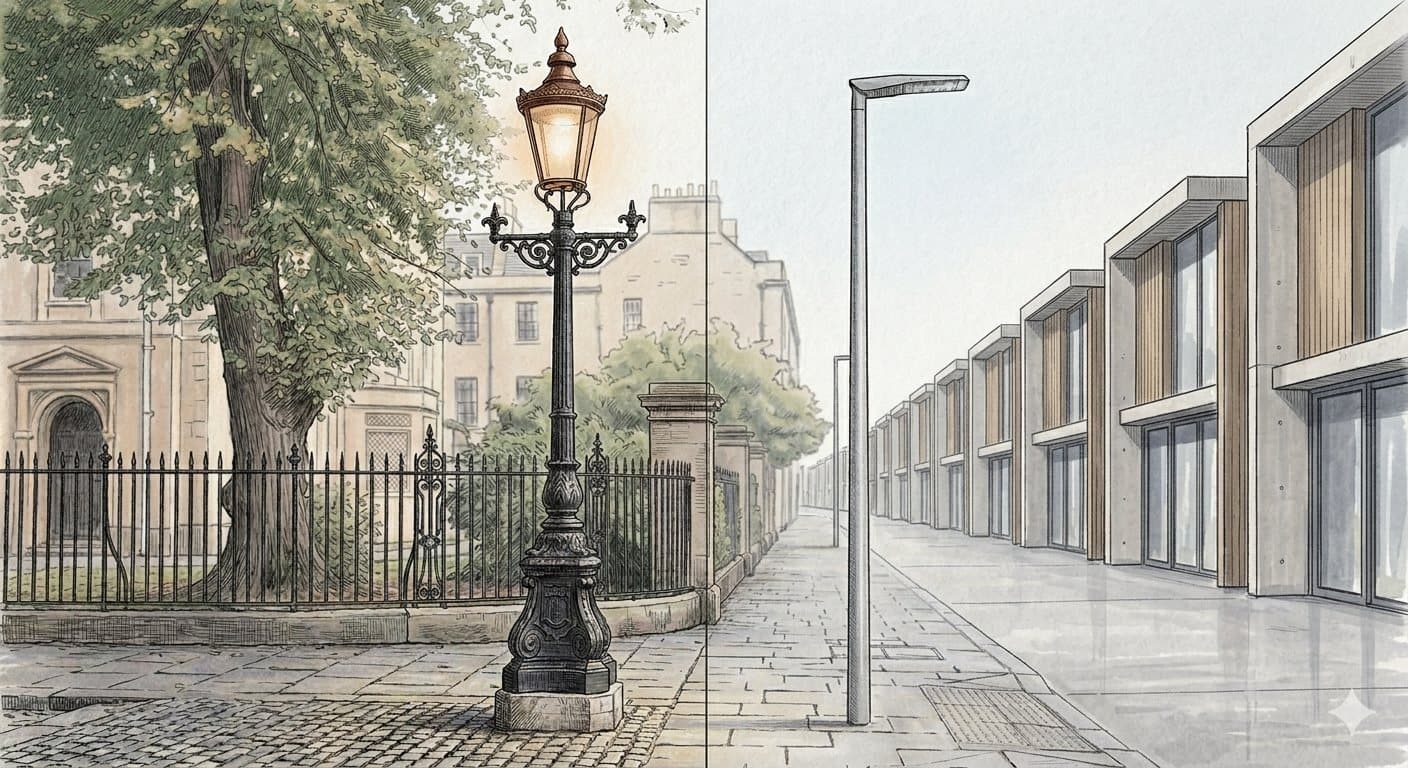
Have you ever noticed that strange boundary in time as you walk down the street?
In less than a century, richly decorated street lamps have made way for uniform poles. Houses, even modest ones, which once paid particular attention to architectural detail, have gradually given way to standardised buildings in which function often seems to have taken precedence over ornament.
How can such a difference in style be explained? And why does our sense of beauty seem to have yielded to a kind of utilitarianism, outside our homes as much as inside them?
Contrary to a common assumption, it would be unfair to put this change down to modern functionalism alone. Soviet brutalism, deeply utilitarian as its ambitions were, was often not so far removed from certain trends seen in the financial capitals.
The question is more complex.
It touches on how we live, on our relationship with time, on mobility and on what we hand down. On the spirit of the age, in a sense.
Homes built to last for generations
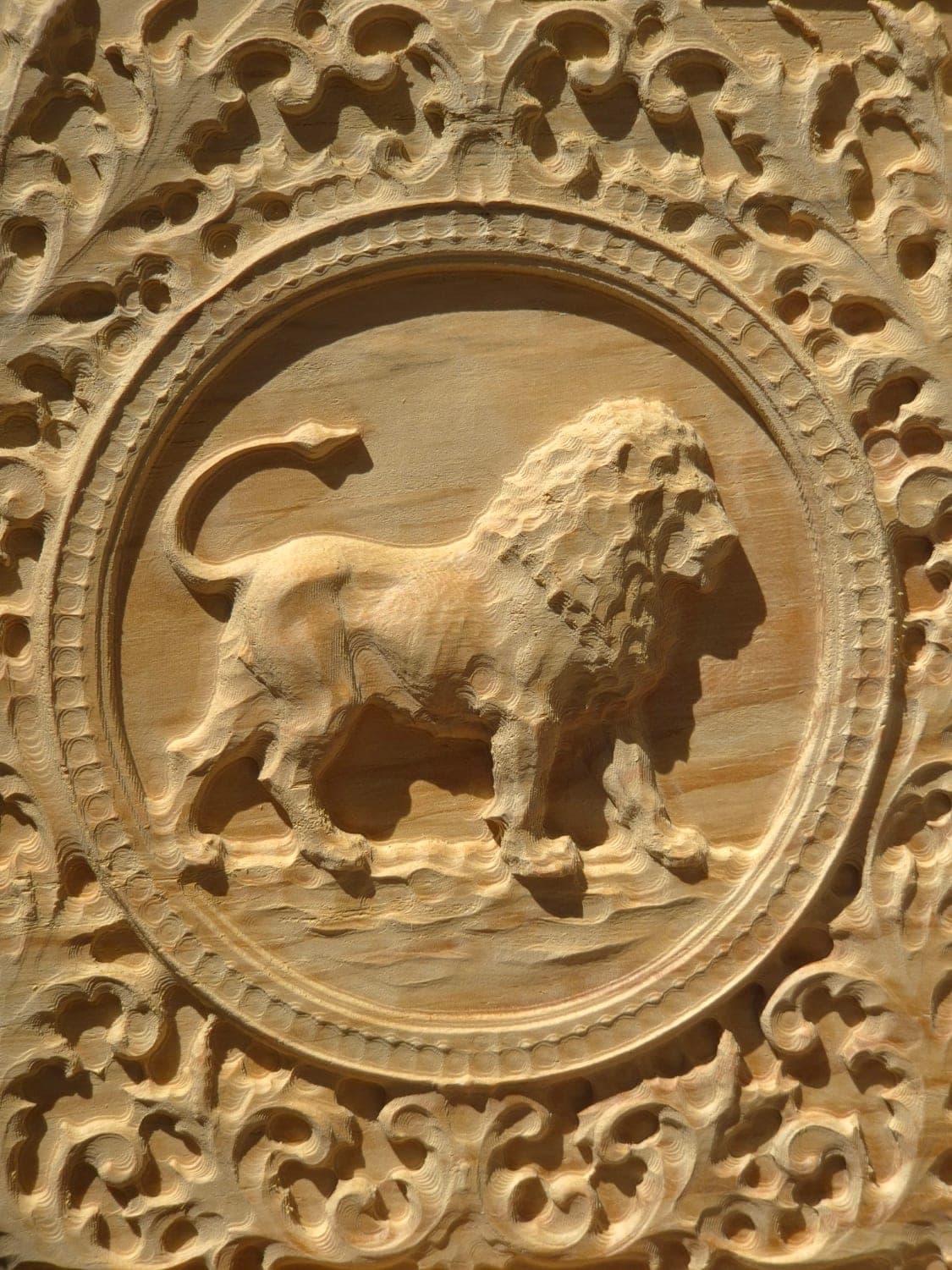
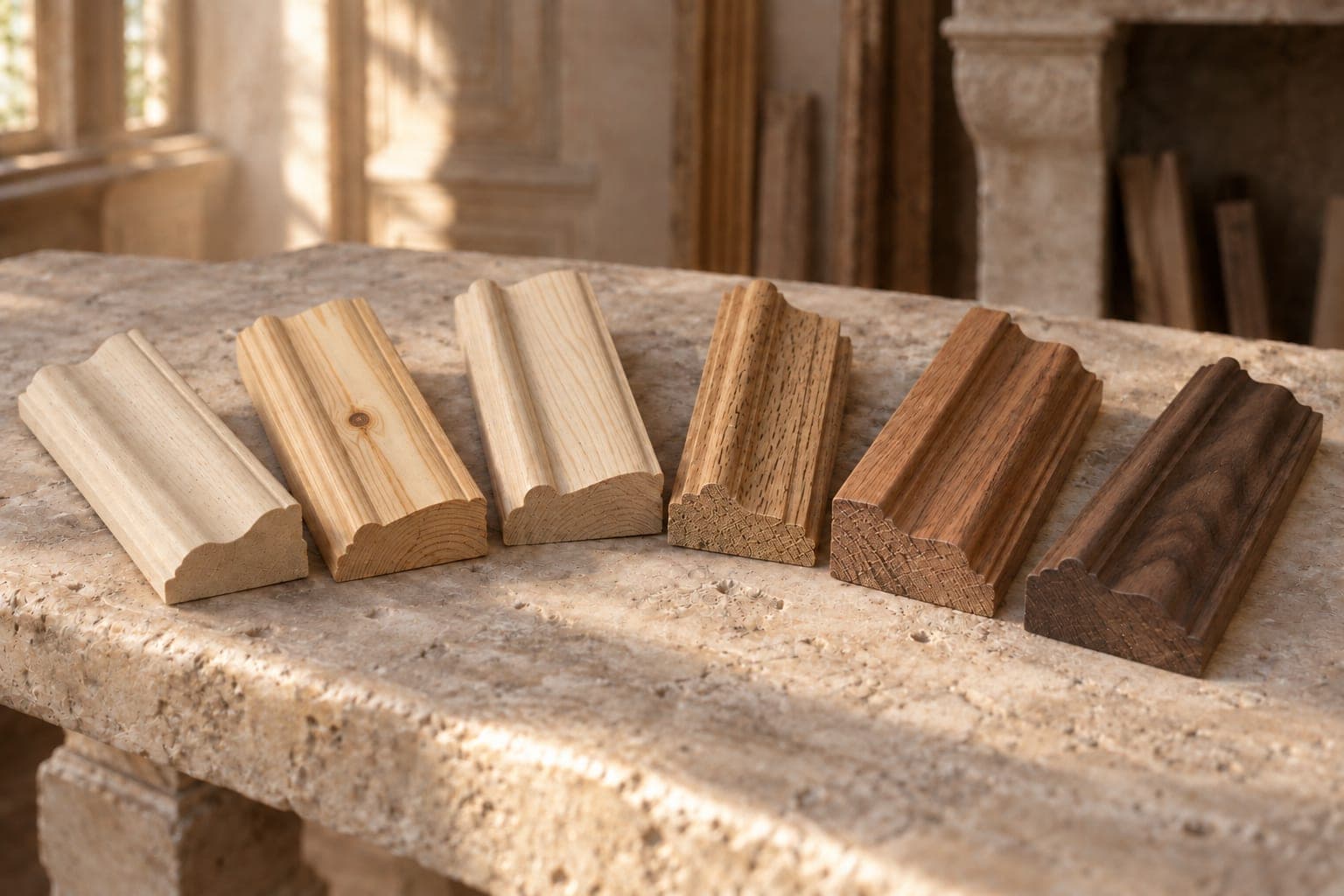
Until the early 20th century, a house was often built for several generations. People invested in durable materials, in local know-how and in decoration that could endure for decades. Inside, even modest homes set out to create an atmosphere. A wooden dado rail (a chair rail, in American English), a wooden door architrave, a moulded skirting board or a few raised and fielded panels were often enough to give a room a real identity.
Today our habits have changed. We move house more often, renovate more frequently and consume housing as a temporary good. Why invest in a boiserie (carved wood panelling) or in solid oak wall cladding when we do not know whether we will still be living there in five years’ time?
This cultural shift is particularly visible in large cities. Haussmann-era apartments that once had their original mouldings, dado rails and cornices have sometimes been stripped bare over the past decades, only to be rediscovered recently.
How decoration shapes our perception
Should we conclude, then, that we have lost our taste for beauty?
Research in environmental psychology suggests rather the opposite. Several studies have shown that people respond favourably to environments with visual complexity, symmetry and a certain ornamental richness. The psychologist Stephen Kaplan’s work on landscape preferences, and Colin Ellard’s research into the influence of architecture, show that monotonous spaces often inspire less emotional attachment than places with a strong identity.
In other words, our brains seem naturally drawn to surroundings that can tell a story. Could excessive uniformity then contribute, even indirectly, to feelings of isolation and anxiety?
So perhaps we have not lost our taste for beauty. Perhaps we have simply lost the means of expressing it in our everyday surroundings.
The return of character to our interiors
For things are changing. And sometimes it is enough to turn to the vestiges of beauty to be reminded of what endures.
In recent years, contemporary boiseries have enjoyed a genuine revival. Homeowners are looking for ways to give a white wall character without undertaking major building work.
Manufacturers now offer ready-to-glue dado panelling frames, paintable wall mouldings and decorative beading that make it easy to recreate an elegant scheme. Nor is the current trend about reproducing period styles wholesale. A boiserie in the Haussmann-era style can sit perfectly well alongside contemporary furniture. A dado rail dividing the wall can give structure to a minimalist space. Even heritage-inspired elements, such as large-frame mouldings or a neoclassical Louis XVI boiserie, now find their place in modern interiors.
Their success on social media is further evidence of this shift. Renovation projects showcasing wooden skirting boards, wooden cornices, paintable period-style boiseries and wall cladding attract enormous enthusiasm. This no doubt reflects a deeper aspiration: to bring personality back into spaces that have become too uniform.
Reconciling beauty and utility
So the debate is probably not one of beauty versus utility. Rather, it sets two visions of the home against each other. One treats housing as a temporary consumer product. The other sees it as a place to live, capable of carrying memory, identity and history.
Better still, wooden ornaments can now be personalised easily with today’s techniques, and at low cost.
Seen in this light, the return of mouldings, dado rails, lower-wall panelling and boiseries looks less like a passing fashion than a sign of a gradual reconciliation between function and beauty.
Making room for beauty again
After all, beauty may never have disappeared. We have to go and look for it in the memory of each one of us.
We simply stopped, for a while, making room for it on our walls.
An old tradition holds that Beauty is one of the three attributes of God.
Read: antique boiserie reproduction · Haussmannian mouldings
A boiserie to imagine?
The workshop can turn an inspiration, an archive or an existing décor into a bespoke piece.
Discuss the project